How Basement Waterproofing Improves Indoor Air Quality
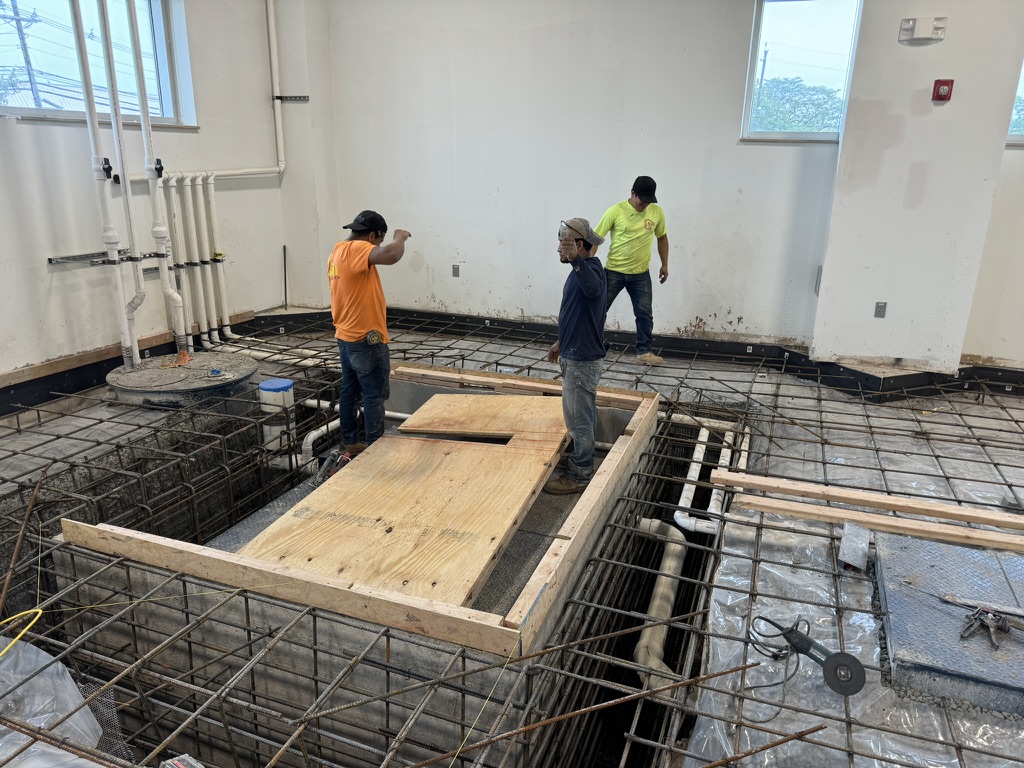

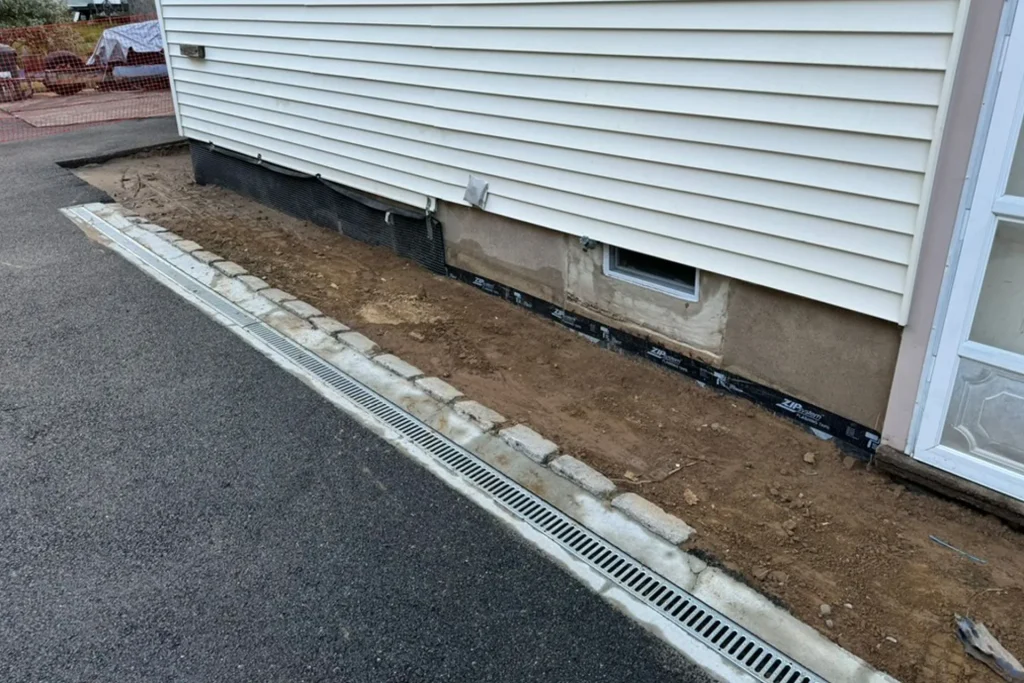
A damp basement rarely stays a basement problem. Moisture moves, odors travel, spores spread, and the air in the lowest part of the house eventually becomes part of the air everyone breathes upstairs. Homeowners often think of Basement Waterproofing as a way to protect storage boxes, finished walls, or the foundation https://ezlocal.com/nj/west-caldwell/waterproofing-contractor/0918145021 itself. Those benefits are real, but indoor air quality is one of the most important and least appreciated reasons to take water control seriously.
The connection is straightforward once you have seen enough basements in the real world. Moisture creates the conditions that mold, mildew, bacteria, and dust mites need to thrive. Wet concrete and humid framing release that stale, earthy smell many people call “just a basement odor.” In practice, that smell is often a warning sign. It points to air that is carrying excess humidity, microbial byproducts, and fine particles into the rest of the house.
Basements are especially vulnerable because they sit below grade, surrounded by soil that holds water after rain or snowmelt. Even when there is no dramatic flooding event, small amounts of seepage, condensation, or vapor intrusion can keep materials damp for long periods. That persistent dampness matters more than many people realize. A basement does not have to be visibly wet to compromise the air quality of the entire home.
The basement air does not stay in the basement
One of the biggest misconceptions I hear from homeowners is that if they do not spend much time downstairs, basement conditions are not urgent. Unfortunately, homes do not work that way. Air naturally moves from lower levels to upper levels in a process driven by pressure differences, temperature changes, duct leakage, and what building professionals often call the stack effect. As warm air rises and leaves through upper portions of the house, replacement air gets pulled from lower areas, including the basement or crawl space.
That means basement air can circulate into living rooms, bedrooms, and hallways even when the basement door stays closed most of the time. If that lower-level air contains mold spores, excess humidity, musty odors, or volatile compounds released from damp building materials, those contaminants do not remain isolated. They become part of the home’s breathing environment.
This is why people sometimes struggle with allergies, headaches, or a persistent “old house smell” upstairs while the root cause is downstairs. The HVAC system can also make matters worse if return ducts or air handlers are located in the basement. A mechanical system moving air through a damp environment can distribute particles and odors more efficiently than anyone wants.
Why moisture changes the air you breathe
Indoor air quality often gets discussed in terms of filters and ventilation, but moisture control is just as foundational. Air with too much moisture feels uncomfortable, yet comfort is only part of the story. High humidity changes what grows in the home, what breaks down in the home, and what stays suspended in the air.
When relative humidity remains elevated, organic materials absorb that moisture. Wood framing, drywall paper, cardboard, carpet backing, and dust all become more hospitable to microbial growth. Mold does not need standing water. It needs a food source and sufficient moisture, and a basement can provide both with surprising ease. Once mold becomes active, it can release spores and microbial volatile organic compounds, which contribute to odors and can aggravate respiratory issues in sensitive people.
Dampness also favors dust mites, particularly in finished basements with carpeting or upholstered furniture. While dust mites are often associated with bedrooms, any humid indoor space can help them persist. Their waste particles are a known trigger for allergies and asthma.
Then there is the issue of material decay. Repeated wetting and drying can break down building products and finishes, releasing additional particulates into the air. Even if the particles are not toxic in the strict sense, they can still contribute to poor air quality and make the home feel stale or irritating.
The subtle sources of basement moisture
People tend to notice major leaks. The subtler moisture sources do more long-term damage because they go unchecked for months or years. A basement can take in water through foundation cracks, porous concrete walls, floor-wall joints, window wells, and poorly directed surface runoff. It can also accumulate moisture from indoor humidity condensing on cool surfaces, especially in summer.
I have seen basements where the homeowner swore there was “no water problem” because the floor never puddled. Yet a moisture meter told a different story. The bottom edges of finished walls were damp. The rim joist showed elevated moisture content. Boxes stored against exterior walls had softened corners. The smell, which the homeowner had stopped noticing, was obvious within minutes. Those are the homes where indoor air quality quietly deteriorates without the drama of a flood.
This is one reason Basement Waterproofing should be thought of as a system, not a single product. A dehumidifier alone may reduce some symptoms. Fresh paint on the walls may hide stains for a season. Neither solves the pathways that allow water and water vapor to enter.
What Basement Waterproofing actually changes
When waterproofing is done properly, it changes the moisture dynamics of the space. That sounds technical, but the practical effect is easy to understand. The basement stays drier, surfaces stay more stable, and the air loses the damp conditions that feed biological growth and musty odors.
Good waterproofing can involve exterior grading corrections, gutter and downspout improvements, foundation crack repair, interior drainage systems, sump pumps, vapor barriers, sealants, and dehumidification. The right combination depends on the cause of the moisture, the age of the home, the soil conditions, and whether the basement is unfinished, partially finished, or fully finished.
The indoor air quality benefit comes from reducing three things at once: liquid water, water vapor, and the time materials stay damp. A one-time leak that dries quickly is less likely to become an air quality problem than a chronic moisture condition that keeps wood, insulation, or drywall in a damp state for weeks.
There is also a psychological effect homeowners mention after the work is done. The house smells cleaner. Laundry areas feel less sticky. Furnishings stored in the basement stop picking up that basement odor. These observations may sound subjective, but they line up with what we know about moisture control and airborne contaminants.
Mold prevention starts before visible mold appears
By the time mold becomes visible on drywall or joists, the problem has usually been developing for a while. Waterproofing helps by interrupting the conditions mold needs before colonies become obvious. That matters because visible mold is only part of the issue. Hidden growth behind finished walls, under flooring, or above drop ceilings can affect indoor air quality long before someone spots discoloration.
In finished basements, I often tell homeowners that water is most damaging when it stays hidden. A small amount of seepage behind a wall can dampen insulation and framing without leaving a dramatic mark in the room. The air still picks up the consequences. Residents may notice a sour or earthy smell after rain, or increased allergy symptoms when the HVAC runs. If the basement is carpeted, those materials can absorb moisture and hold it longer than bare concrete, extending the opportunity for microbial growth.
Waterproofing does not replace mold remediation when mold is already established, but it is what prevents the problem from returning. Cleaning mold without fixing the moisture source is a short-lived victory. The growth often comes back because the environmental conditions never changed.
Humidity control and respiratory comfort
One of the clearest ways Basement Waterproofing improves indoor air quality is by helping the home maintain healthier humidity levels. Many houses feel clammy in summer because the basement acts like a reservoir of moisture. The HVAC system may cool the upper floors, but if the basement keeps contributing humid air, the whole house can feel less comfortable and harder to manage.
A drier basement reduces the latent moisture load on the house. In plain terms, the air conditioner and dehumidifier do not have to fight as much incoming dampness. That often means more stable indoor humidity, less condensation on cooler surfaces, and fewer conditions that support mold or mites.
For people with asthma, seasonal allergies, or chronic sinus irritation, this can make a noticeable difference. Waterproofing is not a medical treatment, of course, but it addresses one of the environmental triggers that often goes overlooked. I have spoken with homeowners who assumed they needed better room purifiers upstairs, only to find that the more meaningful improvement came from controlling basement moisture at the source.
Odors are not harmless background noise
A musty basement smell is easy to normalize, especially in older homes. Many people stop noticing it after a while. Guests usually do not. More importantly, odor is often a clue that airborne compounds are being generated by damp materials or microbial activity.
That classic basement smell can come from mold, mildew, wet concrete, decaying organic debris, or stored items that have absorbed moisture. Even if a homeowner cannot identify the exact source, the odor tells you the space is not dry and neutral. Waterproofing helps by eliminating the damp conditions that produce and preserve those smells.
Odor control matters for more than comfort. Lingering smells often prompt homeowners to mask the problem with scented products, which can add another layer of airborne chemicals to an already compromised indoor environment. A dry basement usually needs fewer cover-up measures because the root cause is gone.
Building materials last longer in a dry basement
Indoor air quality improves when the building itself is not slowly deteriorating. Wet insulation loses effectiveness and can support mold growth. Drywall paper is vulnerable when exposed to sustained humidity. Wood framing can swell, soften, or invite fungal activity if moisture persists. Adhesives used in flooring and finishes can break down under wet conditions, sometimes releasing unpleasant odors or compounds into the air.
Waterproofing preserves these materials by keeping them out of the damage cycle. That has two advantages. First, fewer materials need to be torn out and replaced after moisture damage. Second, the materials that remain in the home stay cleaner and more stable, which supports better air quality over time.
This is especially important in renovated basements. A finished lower level may look polished, but it is often built with moisture-sensitive products. If the waterproofing strategy was weak or absent, the comfort of the space can decline long before the visible finish fails. By then, the air may already be telling the story.
The role of drainage outside the home
Many indoor air quality problems begin outside. Poor grading, short downspout extensions, clogged gutters, and hard surfaces that direct water toward the foundation all increase the amount of moisture pressing against basement walls. When that water has nowhere else to go, the basement becomes the pressure release point.
Exterior water management may not sound like an air quality topic, yet it is one of the most important parts of the equation. Redirecting roof runoff several feet away from the foundation, correcting negative grading, and keeping window wells clear can dramatically reduce basement dampness. In some homes, these basic measures solve a surprising amount of the problem. In others, they need to be combined with interior or exterior waterproofing systems.
The lesson is simple. Clean indoor air often begins with good outdoor drainage. The house performs as a system, and the basement sits at the intersection of soil, water, structure, and air.
Not every basement needs the same solution
There is no honest one-size-fits-all approach to Basement Waterproofing. A century-old stone foundation behaves differently from a poured concrete foundation built twenty years ago. A home on clay soil may experience different water pressure than one on sandy soil. A finished basement used as living space deserves a more conservative risk tolerance than an unfinished utility basement used only for mechanical equipment and storage.
That is where judgment matters. Some homes benefit most from exterior excavation and membrane application. Others are better served by interior drainage and sump management, especially when exterior access is limited by driveways, decks, or neighboring structures. Sometimes the smartest first step is not a major installation at all, but a moisture assessment combined with drainage corrections and measured dehumidification.
What does not work well is guessing. Homeowners often spend money on waterproof paints, plug-in deodorizers, or a bigger dehumidifier before understanding whether the primary issue is bulk water intrusion, vapor transmission, condensation, or a combination of all three. The air quality results are usually modest because the strategy does not match the problem.
Signs that basement moisture is already affecting indoor air
You do not need laboratory testing to recognize common warning signs. A basement that smells earthy after rain, visible condensation on pipes or walls, recurring efflorescence on concrete, warped base trim, rust on metal surfaces, or persistent dehumidifier use are all clues that moisture is active. Upstairs, the signs may be less obvious but still connected, such as stale odors, allergy flare-ups, or rooms that feel humid even when the thermostat says otherwise.
Here are some of the most common indicators homeowners should pay attention to:
- Musty odors that return after cleaning or after wet weather
- Allergy or asthma symptoms that seem worse at home
- Visible mold, staining, or white mineral deposits on basement walls
- A dehumidifier that runs constantly but never seems to catch up
- Stored items that feel damp, smell sour, or show mildew spots
Those signals do not all prove the same cause, but together they point toward a moisture problem worth investigating.
Waterproofing and ventilation work best together
Waterproofing is powerful, but it is not magic on its own. Once the basement is protected from water intrusion, the space still needs sensible ventilation and humidity management. A dry basement with no air movement can still feel stale. A leaky basement with excellent ventilation is still a moisture problem. The best indoor air quality comes from combining source control with balanced air management.
In many homes, that means keeping basement humidity roughly in the 40 to 50 percent range, though exact targets depend on season and climate. It can also mean sealing duct leaks, insulating cold water pipes to reduce condensation, and making sure combustion appliances are venting properly if they are located in the basement. If a basement has been finished, choosing moisture-tolerant materials can provide an extra margin of safety.
The order matters, though. Fix the water first. Then fine-tune the air.
A short real-world example
A homeowner once described her basement as “mostly fine except for the smell.” There was no standing water, and the finished family room looked clean at a glance. But after a heavy rain, the lower corners of one wall panel felt cool and damp. The downspouts emptied right beside the foundation, the exterior grade pitched slightly toward the house, and the dehumidifier bucket filled every day in July.
The waterproofing plan was not glamorous. The downspouts were extended well away from the house. The grading was corrected. An interior drainage channel and sump system were added along the most vulnerable wall, and damaged materials in that section were removed and replaced after the area dried. Within a couple of months, the smell was gone. More interestingly, the homeowner said the upstairs no longer felt heavy in summer, and her son’s nighttime coughing had eased. That does not prove a single direct cause, but it is consistent with what happens when a major moisture source is finally controlled.
What homeowners should ask before choosing a contractor
Because indoor air quality is part of the goal, homeowners should look beyond sales language and ask practical questions about diagnosis, not just products. A good contractor should be able to explain where the water is coming from, why the recommended system addresses that path, and how the solution will affect moisture levels over time. If the answer is simply “we always install this system,” that is not enough.
A few useful questions include:
- Is the problem bulk water, vapor, condensation, or a mix?
- What exterior conditions are contributing to the moisture load?
- How will this approach reduce humidity and protect finished materials?
- Will any existing mold or damaged materials need separate remediation?
- What maintenance will the system require over the next five to ten years?
Those questions help separate a genuine diagnosis from a generic sales pitch.
The long view
Basement Waterproofing pays off in ways that are both immediate and cumulative. Immediately, a dry basement smells better, feels more comfortable, and is less likely to support mold growth. Over time, the home experiences less material decay, lower risk of hidden moisture damage, and more stable indoor humidity. Those changes create a healthier air environment not only in the basement, but throughout the house.
For homeowners focused on indoor air quality, this is one of the most practical places to invest. Air purifiers and upgraded filters can help capture what is already circulating. Waterproofing helps reduce what gets released into the air in the first place. That distinction matters. Source control almost always outperforms symptom management.
A basement should not be a quiet reservoir of moisture feeding the rest of the house. When it is kept dry, the entire home benefits. The air feels cleaner because, in a very real sense, it is cleaner.
ARD Waterproofing
98 Smull Ave, West Caldwell, NJ 07006, United States
+1 917-691-8411
FAQ About Basement Waterproofing
Can you 100% Waterproof a Basement in West Caldwell?
A properly designed system can substantially reduce basement water intrusion, but no method can promise protection against every flood, equipment failure, or future change in site conditions. The first step is identifying whether moisture comes from surface runoff, groundwater, plumbing, or condensation. Solutions may include grading and gutter improvements, drainage, foundation repairs, and a sump system. Review the specific coverage and exclusions of any written warranty.
How much does it cost to professionally waterproof a basement in NJ?
There is no single price that fits every basement. Cost depends on the cause of the leak, the area needing work, access, excavation requirements, drainage design, sump equipment, and restoration of disturbed finishes or landscaping. Request an on-site assessment and an itemized written estimate that explains the scope, exclusions, and maintenance requirements before comparing proposals.
How long does foundation waterproofing last in West Caldwell, NJ?
Service life varies with the waterproofing materials, installation quality, soil and water conditions, and maintenance. Drainage components and pumps may require servicing or replacement even when other parts of the system remain functional. Keep gutters, drainage outlets, and sump equipment maintained, and have recurring leaks or changes in foundation condition assessed. Ask for product-specific expectations and written warranty terms rather than relying on one lifespan for the entire system.